The Best Human Health Guide: 2 Blueprints to Wellness
Introduction to Human Health Guide
Have you ever wondered what it truly means to be healthy? It’s not just about avoiding illness or hitting the gym three times a week. Human health guide is a beautiful tapestry woven from physical vitality, mental clarity, emotional balance, and social connections. Think of your body as a high-performance vehicle—it needs the right fuel, regular maintenance, proper rest, and careful handling to run at its best.
In today’s fast-paced world, we’re bombarded with health information from every direction. One day eggs are bad for you, the next they’re a superfood. With so much conflicting advice, having a reliable human health guide becomes essential. Whether you’re looking for a comprehensive human health guidebook or a convenient human health guide PDF to keep on your device, understanding the fundamentals of wellness can transform your life.
This article serves as your roadmap to optimal health, covering everything from nutrition and exercise to mental wellness and preventive care. Let’s embark on this journey together and discover how small changes can lead to remarkable improvements in your overall well-being.
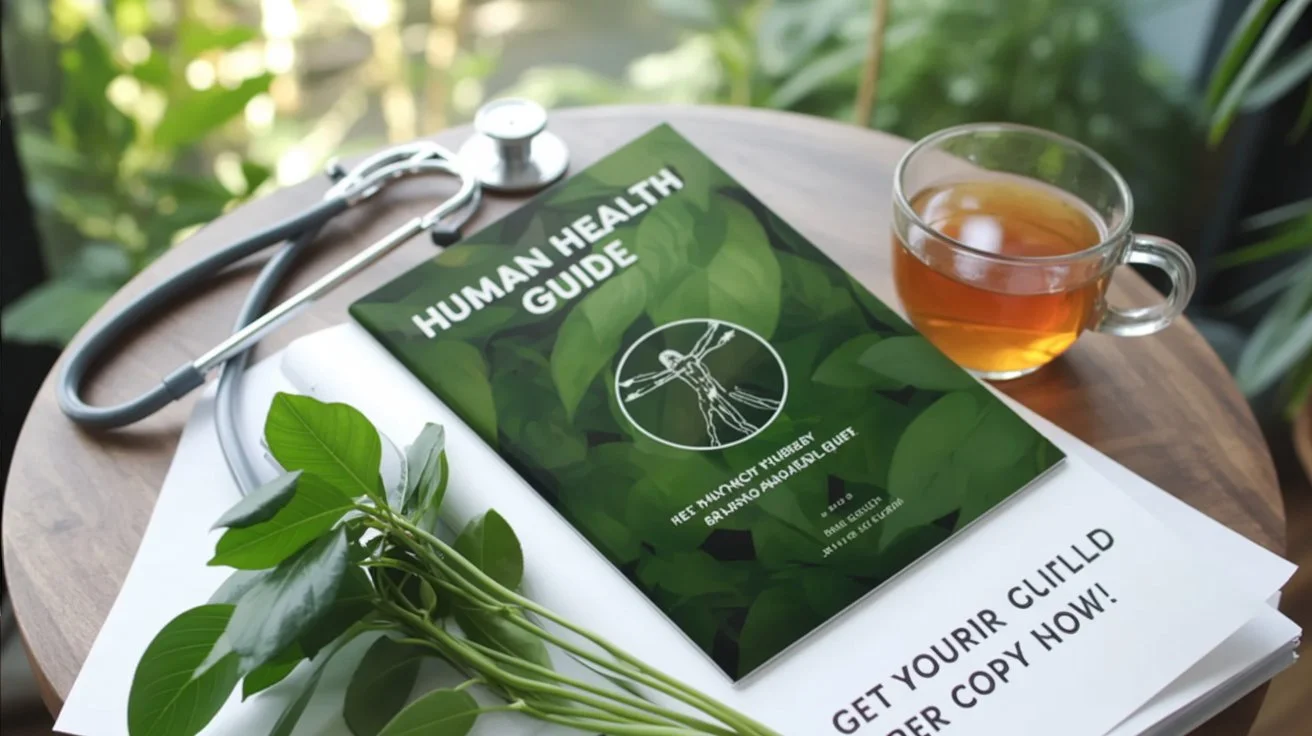
Transform your mind and body naturally — the Human Health Guide is your path to a healthier, happier, and more balanced life. Start your wellness journey today — get your copy now!
Table of Contents
The Foundation of Physical Health
Nutrition and Balanced Diet
You’ve probably heard the saying, “You are what you eat.” While you won’t literally turn into a pizza (thankfully!), this phrase holds profound truth. Your diet forms the cornerstone of your physical health, influencing everything from your energy levels to your immune function.
A balanced diet isn’t about strict restrictions or eliminating entire food groups. Instead, it’s about creating a sustainable eating pattern that nourishes your body with essential nutrients. Think colorful vegetables, lean proteins, whole grains, healthy fats, and fruits. Each meal should be a rainbow on your plate—the more colors, the more diverse nutrients you’re consuming.
Protein builds and repairs tissues, carbohydrates provide energy, fats support hormone production and brain health, while vitamins and minerals orchestrate countless bodily functions. Hydration deserves special mention too. Water isn’t just important—it’s essential. Your body is roughly 60% water, and staying adequately hydrated affects everything from cognitive function to skin health.
The Role of Regular Exercise
Moving your body isn’t just about fitting into your favorite jeans or building Instagram-worthy muscles. Exercise is medicine in its purest form. Regular physical activity strengthens your heart, improves lung capacity, enhances mood, sharpens cognitive function, and even helps you sleep better.
Cardiovascular Activities
Cardio exercises get your heart pumping and your blood flowing. Whether it’s brisk walking, swimming, cycling, dancing, or running, these activities improve your cardiovascular health and boost endurance. The American Heart Association recommends at least 150 minutes of moderate-intensity aerobic activity per week. That’s just 30 minutes, five days a week—totally doable, right?
The beauty of cardio is its versatility. Hate running? Try dancing in your living room. Joint issues? Swimming provides a low-impact alternative. The key is finding activities you genuinely enjoy, transforming exercise from a chore into a celebration of what your body can do.
Strength Training Essentials
While cardio gets much of the spotlight, strength training deserves equal billing. Building muscle isn’t just for bodybuilders—it’s crucial for everyone, regardless of age or fitness level. Strength training increases muscle mass, boosts metabolism, strengthens bones, improves balance, and enhances functional fitness for daily activities.
You don’t need a fancy gym membership or expensive equipment. Bodyweight exercises like push-ups, squats, and planks provide excellent resistance. As you progress, adding resistance bands or dumbbells can further challenge your muscles. Aim for at least two strength training sessions per week, targeting all major muscle groups.
Mental and Emotional Wellness
Understanding Mental Health
Mental health is just as important as physical health, yet it’s often overlooked or stigmatized. Your mind and body aren’t separate entities—they’re intimately connected. Poor mental health can manifest as physical symptoms, while chronic physical illness can impact mental well-being.
Mental wellness encompasses your emotional, psychological, and social well-being. It affects how you think, feel, and act. It also influences how you handle stress, relate to others, and make choices. Just as you wouldn’t ignore a broken bone, you shouldn’t ignore mental health struggles.
Anxiety, depression, and stress are common experiences, but they don’t have to control your life. Recognizing when you need help and seeking support from mental health professionals shows strength, not weakness. Think of therapists as fitness trainers for your mind—they provide tools, strategies, and support to help you build mental resilience.
Transform your mind and body naturally — the Human Health Guide is your path to a healthier, happier, and more balanced life. Start your wellness journey today — get your copy now!
Stress Management Techniques
Stress is like salt in a recipe—a little enhances life, but too much ruins everything. Chronic stress wreaks havoc on your body, contributing to everything from headaches and digestive issues to heart disease and weakened immunity.
Effective stress management isn’t about eliminating all stress (impossible and undesirable). Instead, it’s about developing healthy coping mechanisms. Regular exercise, adequate sleep, social connections, and time management all play crucial roles. Sometimes the simple act of saying “no” to overcommitment serves as powerful stress prevention.
Meditation and Mindfulness
Meditation isn’t mystical or religious—it’s simply training your attention. Just as physical exercise strengthens your body, meditation strengthens your mind’s ability to focus and remain present. Even five minutes of daily meditation can reduce stress, improve concentration, and enhance emotional regulation.
Mindfulness takes meditation principles into daily life. It means paying attention to the present moment without judgment. Whether you’re eating, walking, or washing dishes, mindfulness transforms mundane activities into opportunities for peace and presence. Apps like Headspace or Calm can guide beginners through the process.
Building Emotional Resilience
Resilience isn’t about never falling down—it’s about getting back up every time you do. Life will throw curveballs; that’s guaranteed. Building emotional resilience means developing the mental flexibility to adapt to challenges, setbacks, and changes.
Cultivate resilience by maintaining perspective during difficult times, practicing self-compassion, building strong relationships, setting realistic goals, and learning from past experiences. Remember, resilience is a skill you can develop, not a trait you’re either born with or without.
Transform your mind and body naturally — the Human Health Guide is your path to a healthier, happier, and more balanced life. Start your wellness journey today — get your copy now!
Sleep and Recovery
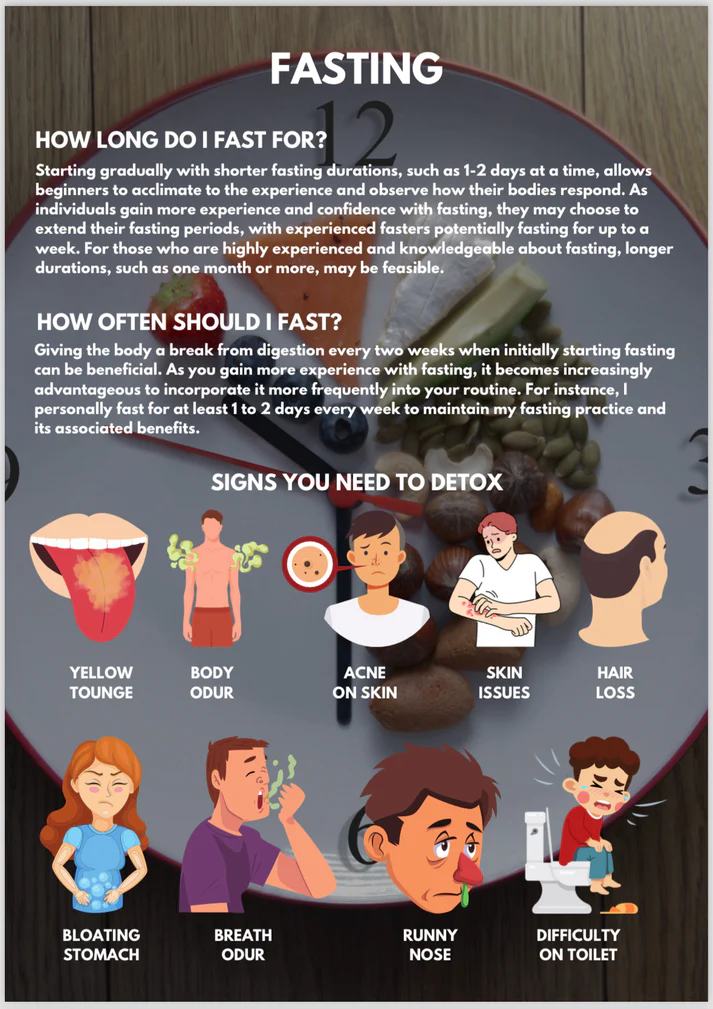
The Science of Quality Sleep
Sleep isn’t wasted time—it’s when your body performs essential maintenance. During sleep, your brain consolidates memories, your immune system strengthens, tissues repair themselves, and hormones regulate. Chronic sleep deprivation has been linked to obesity, diabetes, cardiovascular disease, weakened immunity, and mental health issues.
Most adults need seven to nine hours of quality sleep nightly. Quality matters as much as quantity. Deep sleep and REM sleep serve distinct purposes, and cycling through sleep stages properly ensures you wake refreshed rather than groggy.
Creating Healthy Sleep Habits
Good sleep doesn’t happen by accident—it requires intentional habits. Establish a consistent sleep schedule, even on weekends. Your body’s internal clock thrives on routine. Create a relaxing bedtime ritual that signals to your brain that sleep approaches. This might include reading, gentle stretching, or taking a warm bath.
Your bedroom environment matters tremendously. Keep it cool (around 65-68°F is ideal), dark, and quiet. Invest in comfortable bedding. Reserve your bed for sleep and intimacy only—not work or watching television. This creates a mental association between your bed and sleep.
Limit screen time before bed. The blue light from devices suppresses melatonin production, making it harder to fall asleep. If you must use devices, enable blue light filters or wear blue-light-blocking glasses.
Transform your mind and body naturally — the Human Health Guide is your path to a healthier, happier, and more balanced life. Start your wellness journey today — get your copy now!
Preventive Healthcare
Regular Health Screenings
An ounce of prevention truly is worth a pound of cure. Regular health screenings catch problems early when they’re most treatable. Don’t wait until you feel sick to visit your doctor. Many serious conditions, including high blood pressure, high cholesterol, and certain cancers, develop silently without symptoms.
Schedule annual physical exams. Depending on your age, sex, and risk factors, your doctor might recommend screenings for blood pressure, cholesterol, diabetes, various cancers, bone density, and vision and hearing. Keep track of your family medical history, as it influences your personal health risks.
Vaccination and Immunity
Vaccines are one of medicine‘s greatest success stories. They’ve eradicated smallpox, nearly eliminated polio, and drastically reduced deaths from measles, whooping cough, and other diseases. Vaccines work by training your immune system to recognize and fight specific pathogens without causing illness.
Stay current on recommended vaccinations. Beyond childhood immunizations, adults need boosters for tetanus, diphtheria, and pertussis. Depending on age and circumstances, you might also need flu shots, pneumonia vaccines, shingles vaccines, or others. Discuss your vaccination status with your healthcare provider.
Transform your mind and body naturally — the Human Health Guide is your path to a healthier, happier, and more balanced life. Start your wellness journey today — get your copy now!
Social Connections and Relationships
The Health Benefits of Strong Relationships
Humans are social creatures. We’re literally wired for connection. Strong social relationships aren’t just nice to have—they’re essential for health and longevity. Studies consistently show that people with robust social networks live longer, have stronger immune systems, experience less depression and anxiety, and even recover faster from illness.
Loneliness, conversely, is as harmful to health as smoking 15 cigarettes daily. It increases inflammation, raises blood pressure, weakens immunity, and increases the risk of heart disease, stroke, and dementia. In our hyper-connected digital age, it’s ironic that loneliness has become epidemic.
Building Meaningful Connections
Quality trumps quantity when it comes to relationships. You don’t need hundreds of friends—just a few genuine connections where you feel seen, heard, and valued. Invest time in relationships that energize rather than drain you.
Building connections requires vulnerability and effort. Reach out to old friends. Join clubs or groups aligned with your interests. Volunteer in your community. Practice active listening when others speak. Share your authentic self rather than a curated version. Remember birthdays and celebrate others’ successes.
Family relationships deserve special attention, even when they’re complicated. While you can’t choose your family, you can choose how you engage with them. Set healthy boundaries when necessary, but also offer grace and forgiveness where appropriate.
Transform your mind and body naturally — the Human Health Guide is your path to a healthier, happier, and more balanced life. Start your wellness journey today — get your copy now!
Environmental Health Factors
Creating a Healthy Living Space
Your environment profoundly impacts your health. Consider how much time you spend indoors—for most people, it’s over 90% of their lives. Indoor air quality, lighting, noise levels, and cleanliness all affect physical and mental well-being.
Improve indoor air quality by opening windows regularly, using air purifiers, adding houseplants (they naturally filter air), avoiding synthetic fragrances, and maintaining HVAC systems. Natural light regulates your circadian rhythm and boosts mood. If natural light is limited, consider full-spectrum light bulbs.
Minimize clutter. A messy environment creates mental clutter, increasing stress and reducing productivity. Adopt the principle that everything should have a designated place. Regular decluttering sessions prevent accumulation and create a more peaceful living space.
Reducing Toxic Exposure
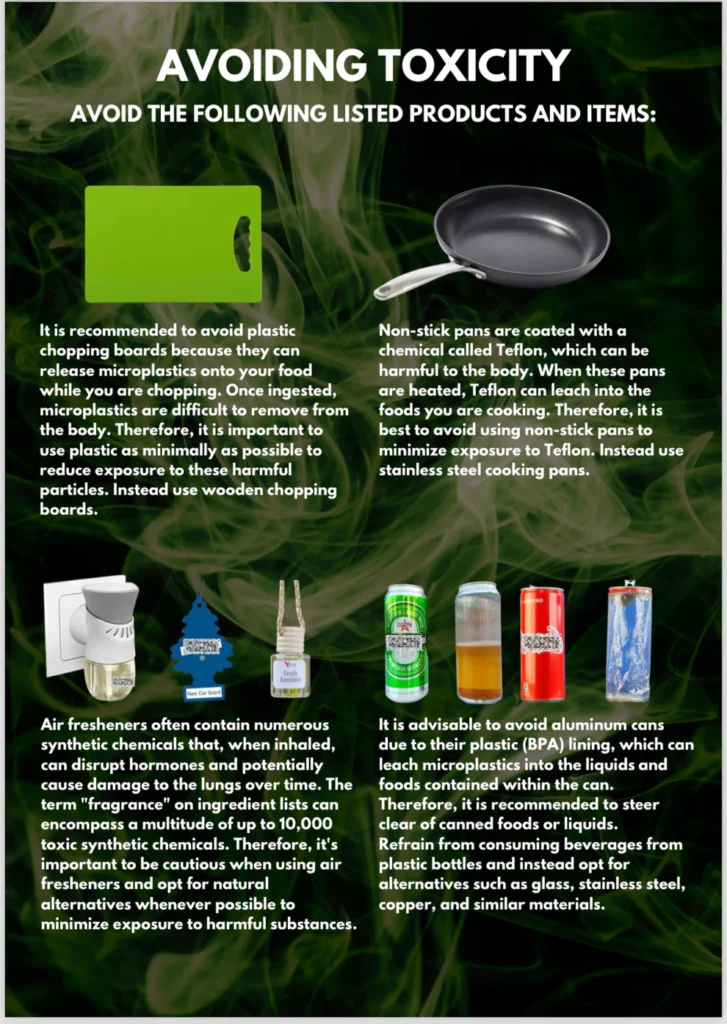
We live in a chemical soup. Thousands of synthetic chemicals pervade modern life, and many haven’t been adequately tested for long-term health effects. While you can’t eliminate all exposure, you can reduce it significantly.
Choose natural cleaning products or make your own with simple ingredients like vinegar, baking soda, and lemon juice. Select personal care products free from parabens, phthalates, and artificial fragrances. Filter your drinking water. Choose organic produce when possible, especially for items on the “Dirty Dozen” list with highest pesticide residues.
Be mindful of plastics, especially for food storage and heating. Many plastics contain endocrine-disrupting chemicals that leach into food and beverages. Use glass, stainless steel, or ceramic containers when possible.
Transform your mind and body naturally — the Human Health Guide is your path to a healthier, happier, and more balanced life. Start your wellness journey today — get your copy now!
Digital Wellness in Modern Life
Managing Screen Time
Technology is a wonderful servant but a terrible master. Smartphones, tablets, computers, and televisions have revolutionized how we work, communicate, and entertain ourselves. However, excessive screen time comes with costs: eye strain, disrupted sleep, reduced physical activity, decreased face-to-face social interaction, and increased anxiety and depression.
Track your screen time honestly. Most smartphones now include built-in tracking features. You might be shocked by the results. Set intentional limits. Use apps that enforce time restrictions on problematic platforms. Create phone-free zones in your home, such as bedrooms and dining areas.
Digital Detox Strategies
Regular digital detoxes help reset your relationship with technology. Start small—perhaps a phone-free dinner or a screen-free Sunday morning. Gradually extend these periods. Notice how you feel. Many people report feeling more present, less anxious, and more creative after digital breaks.
Replace scrolling with enriching activities. Read physical books. Engage in hobbies. Spend time in nature. Have face-to-face conversations. Your brain will thank you for the break from constant stimulation.
Age-Specific Health Considerations
Health in Your 20s and 30s
Your twenties and thirties are prime years for establishing healthy habits that serve you for decades. During these years, focus on building a strong foundation. Establish regular exercise routines, develop healthy eating patterns, prioritize sleep, manage stress effectively, and avoid smoking and excessive alcohol consumption.
These decades are also ideal for establishing your relationship with preventive healthcare. Find healthcare providers you trust and maintain regular checkups. If you’re planning to have children, consider preconception health optimization.
Health in Your 40s and 50s
Midlife brings new health considerations. Metabolism slows, making weight management more challenging. Muscle mass naturally decreases without resistance training. Women approach or experience menopause, while men’s testosterone levels gradually decline.
This is prime time for screenings. Mammograms, colonoscopies, and other age-appropriate tests become important. Pay attention to cardiovascular health markers like blood pressure and cholesterol. Bone density screening may be appropriate, especially for women.
Don’t neglect mental health. Midlife can bring significant stressors: career pressures, aging parents, launching young adult children. Prioritize stress management and seek support when needed.
Transform your mind and body naturally — the Human Health Guide is your path to a healthier, happier, and more balanced life. Start your wellness journey today — get your copy now!
Health in Your 60s and Beyond
The golden years require intentional health maintenance. Continue regular exercise, emphasizing both cardiovascular health and strength training to preserve muscle mass and bone density. Balance exercises become increasingly important for fall prevention.
Social connections grow even more crucial as retirement and life transitions can reduce natural social interactions. Stay engaged through hobbies, volunteer work, or part-time employment. Keep your mind active with learning, reading, puzzles, or other cognitive challenges.
Medication management becomes more complex as you age. Keep an updated list of all medications and supplements. Review it regularly with your healthcare provider to identify potential interactions or unnecessary medications.
Transform your mind and body naturally — the Human Health Guide is your path to a healthier, happier, and more balanced life. Start your wellness journey today — get your copy now!
Understanding Human Health Guidebooks and PDFs
Benefits of Having a Health Guide
Why do you need a human health guide, guidebook, or PDF? Think of it as your personal health encyclopedia. A comprehensive health guide provides reliable, evidence-based information at your fingertips. Rather than falling down internet rabbit holes filled with conflicting and sometimes dangerous advice, a reputable health guide offers trusted information.
A good health guidebook covers anatomy and physiology basics, common health conditions and treatments, nutrition and exercise guidelines, mental health resources, first aid essentials, and when to seek professional medical care. Having this information readily available empowers you to make informed decisions about your health.
PDF versions offer particular advantages. They’re searchable, making it easy to find specific information quickly. They’re portable—carry an entire health library on your phone or tablet.
Top Resources for Health Information
When selecting a human health guidebook or PDF, quality matters immensely. Look for resources authored by credible medical professionals, published by reputable organizations, regularly updated with current evidence, written in accessible language without excessive jargon, and comprehensive without being overwhelming.
Excellent resources include publications from the Mayo Clinic, Harvard Medical School, the American Heart Association, and the Centers for Disease Control and Prevention. Many medical schools and hospitals offer patient education materials that serve as excellent health guides.
Be cautious with internet sources. While valuable information exists online, so does dangerous misinformation. Verify that any health information comes from credible sources. Websites ending in .gov, .edu, or established medical institutions generally offer reliable information.
Remember that even the best health guide doesn’t replace personalized medical advice from your healthcare provider. Use guides to educate yourself and formulate questions, but always discuss significant health decisions with qualified professionals who know your individual health history.
- Transform your mind and body naturally — the Human Health Guide is your path to a healthier, happier, and more balanced life. Start your wellness journey today — get your copy now!
Conclusion
Your health is your most valuable asset. Without it, nothing else matters much. The beautiful truth is that you have tremendous power over your well-being. While genetics and circumstances play roles, your daily choices—what you eat, how you move, how you manage stress, how you sleep, how you connect with others—collectively determine your health trajectory.
This comprehensive human health guide has covered the essential pillars of wellness: physical health through nutrition and exercise, mental and emotional wellness through stress management and resilience, the critical importance of sleep and recovery, preventive healthcare measures, the profound impact of social connections, environmental health factors, digital wellness in our modern age, and age-specific considerations throughout life’s journey.
Remember, perfect health doesn’t exist. Health is a journey, not a destination. It’s about progress, not perfection. Small, consistent actions compound over time into remarkable results. Start where you are, use what you have, do what you can. Your body and mind are incredibly resilient and adaptive.
Whether you reference a physical human health guidebook, keep a human health guide PDF on your device, or bookmark this article, the most important step is taking action. Choose one small change to implement today. Then another tomorrow. Before you know it, you’ll have transformed your health and your life.
Your wellness journey begins now. What will your first step be?
Transform your mind and body naturally — the Human Health Guide is your path to a healthier, happier, and more balanced life. Start your wellness journey today — get your copy now!
FAQ Of Human Health Guide
What should I look for in a comprehensive human health guide PDF?
Look for a human health guide that’s authored by qualified medical professionals, covers a wide range of health topics from nutrition and exercise to mental health and disease prevention, uses clear and accessible language, includes evidence-based information with citations when possible, and is regularly updated to reflect current medical understanding. The best guides balance comprehensiveness with readability, making complex health topics understandable without oversimplifying.
How much exercise do I really need for optimal health?
For substantial Human Health Guide benefits, adults need at least 150 minutes of moderate-intensity aerobic activity (like brisk walking) or 75 minutes of vigorous-intensity activity (like running) per week, plus muscle-strengthening activities on two or more days. However, remember that any movement is better than none—even small amounts of physical activity provide health benefits. Start where you are and gradually increase. The best exercise is the one you’ll actually do consistently.
Can I improve my mental health without medication or therapy?
While professional help is invaluable for many mental health conditions, several lifestyle factors significantly impact mental wellness. Regular exercise, adequate sleep, balanced nutrition, strong social connections, stress management techniques like meditation, time in nature, and engaging in meaningful activities all support mental health. However, if you’re experiencing persistent mental health symptoms, don’t hesitate to seek professional help. Think of these lifestyle factors as foundational practices that complement professional treatment when needed, not replacements for it.
What’s the single most important thing I can do for my health?
While there’s no single magic bullet, if forced to choose one thing, it would be maintaining regular physical activity. Exercise benefits virtually every body system—cardiovascular, immune, digestive, musculoskeletal, and nervous. It improves mood, cognitive function, sleep quality, and longevity. That said, health is multifaceted. The truly most important thing is adopting a holistic approach that addresses physical, mental, emotional, and social wellness together.
How can I stay motivated to maintain healthy habits long-term?
Long-term motivation comes from making health personally meaningful rather than following external rules. Connect healthy behaviors to your values and goals—exercise because it lets you play with your grandchildren, eat well because it gives you energy for activities you love. Start small with manageable changes rather than dramatic overhauls that overwhelm. Track your progress to see improvements. Find accountability through friends, family, or communities. Celebrate small wins along the way. Most importantly, cultivate self-compassion—perfection isn’t the goal, consistent effort is.
What is Human Health Guide 2.0 and how can it help me improve my well-being?
Human Health Guide 2.0 is a modern, science-backed resource designed to help you understand and optimize your physical, mental, and emotional health. It provides easy-to-follow tips on nutrition, exercise, sleep, and stress management — all updated with the latest wellness insights. Whether you want to boost energy, strengthen immunity, or create a balanced lifestyle, this guide gives you the practical steps to achieve long-term health and vitality.